
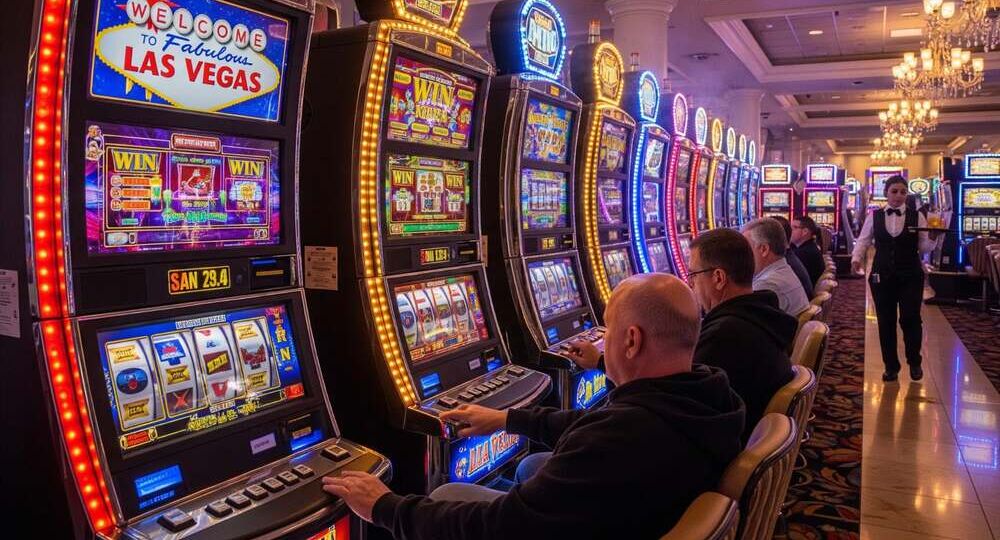
When a casino claims a machine malfunction in Nevada, most disputes are handled through gaming regulators rather than through civil lawsuits in court. That can be a shock if you believed you hit a life changing jackpot or lost money in a way that did not feel fair. Lawsuits are rare in these situations, but they are not impossible in limited, fact specific scenarios. These realities apply to casinos on the Las Vegas Strip, Downtown and Fremont Street, and resort properties in Paradise and Henderson.
Can You Sue a Las Vegas Casino for a Machine Malfunction?
In Nevada, true machine malfunctions almost always void winnings and result in a refund of the wager only. If regulators and the casino agree that a slot or video machine malfunctioned, the usual remedy is to put you back where you started rather than pay the displayed jackpot or unusual outcome. That outcome comes from Nevada’s gaming regulatory framework, not ordinary contract law ideas about offers and acceptances on the screen.
There can still be room for legal arguments in narrow situations. Some disputes turn on whether a malfunction actually occurred, especially when internal logs, surveillance, and technician reports do not clearly support the casino’s explanation. Other cases involve a casino’s failure to follow required gaming procedures, internal controls, or patron dispute rules. Separate claims can arise from wrongful conduct by casino staff, such as detaining or accusing a patron inappropriately, or from physical injuries caused by defective machines, chairs, or nearby fixtures.
Most players who believe a machine malfunctioned start with a regulatory complaint rather than a lawsuit. In Nevada, patrons can raise a dispute with casino staff and, for qualifying disputes, the matter is referred to the Gaming Control Board for investigation and a written decision. At the same time, it can be useful to consult a Nevada lawyer who understands both gaming regulations and civil law to review the facts and explain whether there is any realistic path to compensation beyond a wager refund.
When a Malfunction Dispute May Go Beyond a Refund of Your Wager
A malfunction dispute can go beyond a simple wager refund in limited situations. In some cases, there is a genuine dispute over whether the machine actually malfunctioned or whether it simply produced an unusual but valid result. Conflicting logs, inconsistent explanations, or incomplete investigations can raise questions. Other times, casinos may fail to follow required procedures for handling disputes or securing machines, which can fuel broader regulatory or civil concerns.
Separate issues arise when casino staff allegedly mistreat a patron during or after a malfunction dispute, such as by making defamatory statements, detaining them improperly, or using unreasonable force. Physical injuries caused by defective machines, collapsing chairs, or exposed equipment also fall outside the usual malfunction refund framework and may be treated as premises or product liability claims. None of these situations guarantee a successful lawsuit, but they present different legal questions than a simple disagreement over a displayed jackpot.
How Slot and Video Machines Work and What Casinos Mean by a “Malfunction”
Modern slot and video machines in Nevada are regulated devices that rely on approved software, random number generation, and defined paytables. At their core, they use random number generators, or RNGs, to determine outcomes. The RNG produces numbers many times per second, and when you press the button or pull the handle, the game captures a snapshot of those numbers and translates them into symbols, reels, or results based on the approved paytable.
The paytable is the rule set that determines what each combination of symbols or outcomes is worth. For a correctly functioning machine, the RNG output and the paytable together decide whether you lose, win a small amount, or hit a jackpot. Regulators focus on these elements when approving games and when evaluating malfunction claims. The goal is to ensure that, when everything works as intended, the game behaves according to its approved design.
A “true” malfunction is usually defined narrowly. It is not simply an outcome the casino does not like or a run of bad luck. Regulators and industry sources distinguish between valid RNG outcomes and errors in how those outcomes are displayed, recorded, or communicated. For example, a communication glitch between a local machine and a progressive jackpot controller can produce a display that does not match the underlying data. A software error or meter corruption can produce impossible values or results outside the game’s approved limits. Those situations are treated differently from ordinary play.
How Random Number Generators and Paytables Control Outcomes
Random number generators control the underlying math of modern slot and video machines. The RNG runs continuously and produces a long stream of numbers. When you press spin or deal, the game takes the numbers available at that instant and maps them onto reel positions or card outcomes. The paytable then translates those positions into results and payouts. The important point is that the decision about win or loss is made at the RNG level before the animation or sound finishes. If the RNG and paytable are functioning correctly, the outcome is considered valid even if the visual display stutters or lags.
Common Technical Issues Casinos Classify as Malfunctions
Casinos and regulators classify certain technical issues as malfunctions because they mean the machine is not operating as approved. Examples include software errors that produce impossible outcomes, such as jackpots higher than the game’s maximum or results that do not match the paytable. Communication and display errors can occur when data between a machine and a central system does not synchronize, leading the screen to show a win amount that is not reflected in the internal records. Meter corruption or hardware failures can cause credit meters or progressive meters to display incorrect values. In these situations, the typical response is to treat the game session as void and to refund the wager.
Common Casino Machine Malfunction Scenarios: Wins, Losses, and Glitches
Machine malfunction disputes usually fall into a few recognizable patterns. Understanding these scenarios can help set expectations about what is likely to happen and where there may be more room for argument.
Display Errors and “Phantom” Jackpots
Display errors are among the most talked about malfunction scenarios. A screen may show a jackpot amount that exceeds the game’s design, the casino’s posted limits, or the amount in a progressive pool. Media stories have covered situations where patrons believed they hit enormous jackpots, only to be told later that a malfunction occurred and that logs showed a much smaller win or no win at all. In such cases, regulators typically examine the machine’s internal data, software, and logs to determine whether the displayed amount could have been a valid outcome. When the display does not match what the approved software and math would allow, they are likely to classify it as a malfunction and void the displayed win.
Communication Errors and Delayed Jackpot Verification
Progressive and linked machines depend on communication between individual devices and central controllers. Sometimes, communication issues cause delays or mismatches between what a player sees and what the system records. For example, a machine might briefly show a large win while the central system has not yet confirmed or registered the outcome. In these cases, casinos often suspend play on the machine and call in technicians while contacting regulators for guidance. The final decision usually rests on what the internal systems and logs show, not on the initial visual impression.
Mechanical Failures That Cause Physical Harm
Not all machine related problems involve disputed jackpots or losses. Mechanical failures can cause physical injuries. A chair at a machine might collapse, leading to back, hip, or head injuries. Exposed wiring or broken housings can cause cuts or electrical shocks. A console or cabinet might tip or move unexpectedly. These situations move beyond gaming outcomes and raise premises or product liability issues. The key questions shift from “what was the correct payout” to “was the equipment reasonably safe and maintained” and “did the defect cause the injury.”
Nevada’s Casino–Patron Dispute Process for Machine Malfunctions
Nevada has a structured process for casino patron disputes involving machine outcomes. This regulatory pathway is where most malfunction disputes are resolved, and understanding it helps clarify when, if ever, a lawsuit might come into play.
How Casino Machine Disputes Are Reported and Investigated
If you believe a machine in Nevada malfunctioned, you generally start by raising the issue with casino staff immediately. That may involve speaking with the slot attendant, floor supervisor, or pit boss on duty. If the dispute involves a significant amount or a question about whether the machine paid correctly, the casino is expected to secure the machine, gather basic information, and notify the appropriate enforcement authorities for qualifying disputes. The machine is usually taken out of service while the matter is reviewed.
The Nevada Gaming Control Board’s enforcement staff can then investigate. They may inspect the machine, review internal logs, examine progressive system records, and take statements from casino employees and the patron. The focus is on whether the machine and the casino complied with approved rules and technical standards. After the investigation, the enforcement staff or the Board issues a written decision explaining their findings and the outcome.
Gaming Control Board Decisions and the Appeal Process
When the Board issues a decision on a casino–patron dispute, that decision typically addresses whether the game was operated according to its approved rules and whether a malfunction occurred. The Board does not award pain and suffering or emotional damages for disappointment or frustration. Its role is to determine whether the casino owes the patron a specific amount under the gaming rules, often a refund of the wager in a true malfunction case.
If a patron or casino disagrees with the Board’s decision, Nevada law allows an appeal to the Nevada Gaming Commission under NRS 463.363. The Commission can review the record, consider arguments, and affirm, modify, or reverse the decision. These decisions and the underlying investigative record can affect any later civil claim, because they provide a detailed regulatory view of what happened and whether the casino followed required procedures.
When Is There Room To Sue Over a Casino Machine Malfunction?
Most machine malfunction disputes will end with a regulatory decision and a refund of the wager in true malfunction cases. However, there are limited situations where a lawsuit may be possible, although success is far from guaranteed.
Disputes Over Whether a True Malfunction Occurred
Some disputes center on whether there really was a malfunction. Evidence suggesting the machine functioned correctly, such as internal logs matching the displayed outcome, can support the patron’s position. Conflicting technician reports, inconsistent casino explanations, or gaps in the investigation may raise questions. Surveillance footage showing exactly what was displayed and how staff responded can also matter. In rare situations where the facts strongly support that the machine worked as approved and the casino’s malfunction explanation looks unsupported, counsel may consider whether there is a viable civil claim.
Violations of Gaming Rules or Internal Control Procedures
Casinos must follow detailed gaming rules and internal control procedures for machine operation and patron disputes. If a casino fails to secure a machine during a dispute, alters settings without proper approval, or mishandles progressive contributions, these violations can raise separate legal issues. Similarly, improper handling of complaints, failure to notify regulators when required, or destruction of relevant records can complicate matters. These issues often start as regulatory concerns, but they may also influence whether a court is willing to hear a related civil claim.
Separate Wrongful Conduct or Physical Injury Claims
Some situations extend beyond the machine outcome itself. If casino staff accuse a patron of wrongdoing in front of others without solid basis, there may be defamation questions. If security detains or restrains a player in a way that is unreasonable under the circumstances, false imprisonment or excessive force issues may arise. Physical injuries from defective machines, collapsing chairs, or dangerous conditions around the gaming floor fall into premises or product liability territory rather than pure gaming disputes. In these cases, the machine malfunction may be part of the story, but the legal focus is on the separate wrongful conduct or physical harm.
Practical Steps If You Believe a Casino Machine Malfunctioned in Las Vegas
If you are on a casino floor in Las Vegas and believe a machine malfunctioned, what you do in the moment may affect both the regulatory process and any later review.
What To Do Immediately on the Casino Floor
If a machine shows a result that seems clearly wrong, stay calm and stay at the machine if it is safe to do so. Do not continue playing. Ask that the machine be checked and that a floor supervisor or slot technician be called. If the amount at issue is significant or you believe the machine has locked up, request that the machine be taken out of service and that a dispute be logged. Take photographs of the screen, including the win display, credit meter, and any error messages, as well as the machine’s identification labels and nearby signage. If other patrons or staff saw the display, politely ask for their names and contact information.
How To Protect Evidence and Avoid Giving Up Rights
Protecting evidence means keeping a record of what you saw and how the casino responded. Note the time, date, and location of the machine. If you were using a loyalty card, keep any tickets or receipts that show play history or account activity. Write down the names and roles of staff members you speak with, and summarize what each person told you. Be cautious about signing documents or accepting token offers that require you to agree that a malfunction occurred or that the matter is fully resolved. You can acknowledge that a dispute exists without agreeing to the casino’s characterization of the event or its outcome. If you are unsure about what you are being asked to sign, it is reasonable to say that you want time to review it or to speak with a lawyer.
Deadlines, Evidence, and How a Las Vegas Casino Injury Lawyer Can Help
Machine malfunction disputes and related civil claims are affected by both regulatory timelines and general civil deadlines. For most civil claims in Nevada, including those that might arise from physical injuries or separate wrongful conduct, NRS 11.190 sets a two year statute of limitations. Gaming related disputes, however, often have much shorter practical timelines because of how quickly surveillance footage and machine logs can be overwritten or lost and how fast regulatory processes move.
Key evidence in these matters can include photos of the machine display, game tickets, loyalty card records, printed receipts, correspondence with the casino, and any written communications with the Nevada Gaming Control Board. Keeping organized copies of everything related to the incident and the dispute makes it easier for a lawyer to evaluate what happened and whether there is any viable path beyond regulatory review.
A Las Vegas casino injury lawyer can help by separating expectations from reality. They can explain the difference between the regulatory complaint process and civil litigation, assess whether the facts suggest anything beyond a standard malfunction refund, and identify any separate claims related to staff conduct or physical injuries. They can advise on how to communicate with regulators and the casino, how to preserve evidence, and whether a lawsuit makes sense under the circumstances. If you have questions about a possible machine malfunction or related harm, Call the Captain today at 702-CAPTAIN or contact us online to discuss your situation and understand what you should do next. And remember, our Reduced Fee Guarantee® ensures that Drummond Law Firm will not take more in attorney fees than you receive.